Clear Aligners or Braces? How to Choose the Right Treatment for Your Smile
Thinking about straightening your teeth? You have more choices than you did a few years ago.
Traditional braces are still a tried-and-true option, but clear aligners have become a popular alternative, especially for adults and teens who would rather not have brackets and wires showing when they smile.
So which one is better? The honest answer is: it depends.
Clear aligners aren’t automatically better than braces, and braces aren’t necessarily the right choice for everyone. Your teeth, your bite, your age, your dental health, your treatment goals and even your daily habits can all play a role in deciding which option makes sense.
At Angel Dental Care in El Monte, Dr. Joseph Zaghi and the dental team offer both traditional orthodontic treatment and clear aligner options, including Invisalign® and SureSmile®. The goal is to find the treatment that fits the patient, not to fit every patient into the same treatment.
Clear Aligners vs. Braces: What’s the Difference?
Let’s start with the basics.
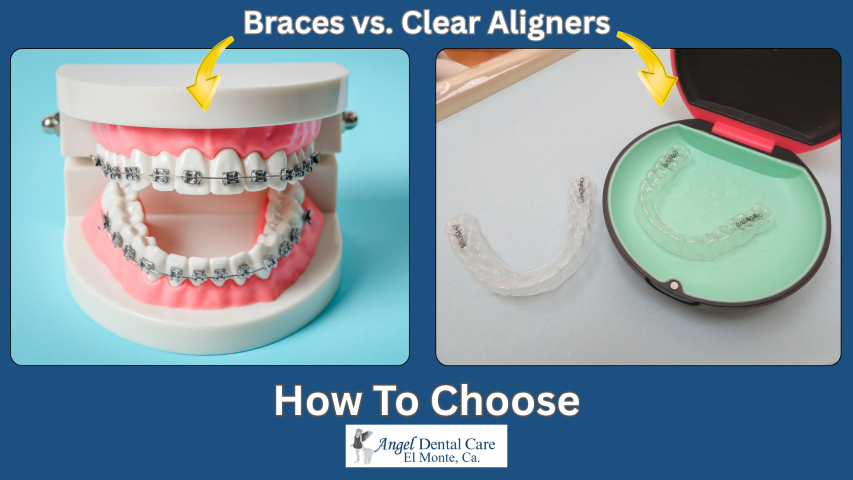
Braces use brackets and wires attached to your teeth to gradually move them into better positions. Because they’re fixed to your teeth, they’re working continuously throughout treatment.
Clear aligners use a series of removable, custom-made trays to gradually move your teeth. You take them out when you eat and when you brush and floss, then put them back in as directed.
Both can straighten teeth. Both can improve certain bite problems. And both require a commitment from the patient. The biggest difference is how the treatment works and how it fits into your everyday life.
Are Clear Aligners Better Than Braces?
Not necessarily. And we’d be cautious about anyone who tells you that one treatment is always better. Clear aligners can be a great choice for many patients, particularly people who want a more discreet treatment option. Braces, however, can be a better fit for certain types of tooth movement and more complex cases. That’s why choosing your treatment based on a social media ad or a before-and-after photo isn’t the best approach.
- First figure out what your teeth need.
- Then figure out which treatment can get you there.
Clear Aligners: Invisalign® and SureSmile®
If you’ve been researching clear aligners, you’ve probably come across the names Invisalign and SureSmile. These aren’t generic “clear braces.” They are branded clear-aligner systems that use digital treatment planning to create a series of trays designed to gradually move your teeth.
Invisalign®
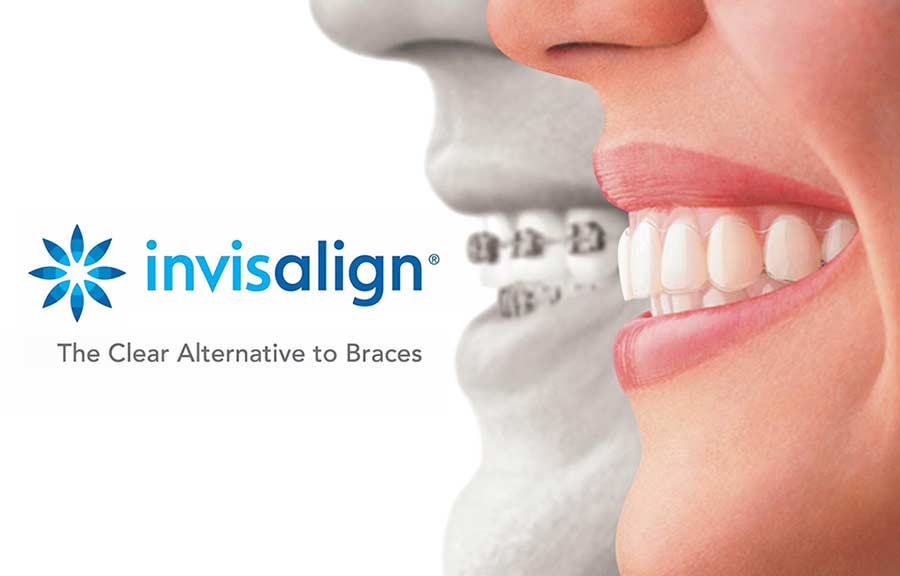
Invisalign is one of the best-known clear-aligner systems. Invisalign treatment is provided through trained dentists and orthodontists rather than being something patients simply order on their own. The company describes doctor-led treatment that begins with an examination and 3D scanning, followed by a customized treatment plan and monitoring throughout treatment. Invisalign also offers different treatment options for children, teens and adults, depending on the patient’s needs.
SureSmile®
SureSmile is another clear-aligner system available through dental professionals. Angel Dental Care offers SureSmile as one of its clear-aligner options, giving patients another treatment option to discuss with Dr. Zaghi. The important thing isn’t simply choosing a brand. It’s having a dental professional determine whether clear aligners are appropriate for your particular teeth and bite, and then monitoring your progress.

Angel Dental Care currently offers both Invisalign and SureSmile as part of its clear-aligner treatment options. The practice uses digital scanning and treatment planning rather than traditional putty impressions for its aligner workflow.
Angel Dental Care currently offers both Invisalign and SureSmile as part of its clear-aligner treatment options. We use digital scanning and treatment planning rather than traditional putty impressions for its aligner workflow.
Check out the video to the right to see our digital scanner in action with Andy scanning Dr. Zaghi’s teeth.
Which Is Right for You: Invisalign, SureSmile or Braces?
This is where things get more personal. There isn’t a quiz that can tell you the answer based on whether you prefer clear trays or metal brackets.
Dr. Zaghi needs to consider things such as:
- How crowded or spaced your teeth are
- How your upper and lower teeth fit together
- Whether you have an overbite, underbite, crossbite or other alignment issue
- The condition of your teeth and gums
- Whether you have crowns, bridges, implants or other dental work
- Whether you are missing teeth
- Your age and stage of dental development
- Your ability to consistently wear removable aligners
- What you want to accomplish with treatment
That last part is important. Two people can have teeth that look similar but need very different treatment plans.
Your Age Can Make a Difference
Orthodontic treatment isn’t just for teenagers. Adults can and do straighten their teeth, and clear aligners have made orthodontic treatment particularly appealing to people who don’t want noticeable braces at work or in their everyday lives. But age can still matter when you’re choosing a treatment.
For children and teens
Younger patients may still have developing teeth and jaws, and the timing of treatment can be an important part of the decision. For some teens, clear aligners are a good option. For others, braces may be more practical, particularly if wearing removable aligners consistently is going to be a challenge.
For adults
Adults often come with a little more dental history. You may have fillings, crowns, gum concerns, missing teeth, an old orthodontic relapse or other dental work that needs to be considered before moving teeth. That doesn’t mean you can’t have clear aligners. It means your dentist needs to look at the whole picture first. And sometimes, an adult patient who had braces years ago may need orthodontic treatment again because teeth have shifted over time.
Here’s the Catch With Clear Aligners
This is something we think gets overlooked when people talk about aligners. You have to wear them, as directed. That sounds obvious, but it matters. With braces, your appliance stays on your teeth. You don’t have to remember to put it back in after lunch or wonder where you left it. Clear aligners are different.
They’re removable, which is one of their biggest advantages. But that also means you are responsible for keeping up with your treatment. The American Association of Orthodontists says aligners generally need to be worn for at least 22 hours a day. If you regularly leave your aligners out for hours at a time, your treatment may not progress as planned.
So ask yourself: Am I actually going to wear these?
If you know you’re good about routines, clear aligners may fit your lifestyle beautifully. If you already know you’re going to forget them, lose them or leave them sitting on the bathroom counter, braces may be worth considering.
What If You Are Missing Teeth or Planning Dental Implants?
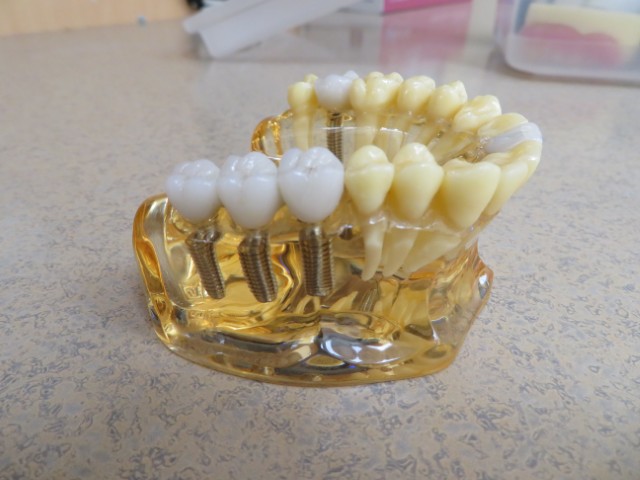
This is one situation where the conversation can become more complicated. If you are missing one or more teeth, or you know that a tooth may eventually need to be replaced with a dental implant, don’t choose an orthodontic treatment without telling your dentist about that plan.
Why? Because the position of the surrounding teeth and the amount of space available can matter when you’re planning a future restoration. In some cases, orthodontic treatment may be used to move teeth into better positions or create or preserve the space needed for a future implant or other restoration. That can make braces a better option in some treatment plans, particularly when more controlled tooth movement or space management is needed. But this is not a blanket rule.
The right approach depends on which teeth are missing, why they’re missing, the condition of the surrounding teeth and what type of restoration is planned. This is one of the advantages of having your orthodontic and restorative needs considered together. If you’re missing teeth and thinking about straightening your smile, tell Dr. Zaghi about your long-term plans before starting treatment.
What Can You Eat With Clear Aligners?
This is one of the reasons people like aligners. You remove them before eating, so you’re not dealing with the same food restrictions you may have with braces. You can eat normally and then brush your teeth before putting your aligners back in. With braces, you’ll need to be more careful with foods that can damage brackets or wires, particularly hard, sticky or chewy foods. There is still one important rule with aligners:
Don’t put dirty teeth back into your trays. Good brushing and flossing are important throughout orthodontic treatment. Your aligners spend a lot of time covering your teeth, so keeping your teeth and gums clean matters.
Are Clear Aligners More Comfortable Than Braces?
They can be more comfortable for some people, particularly because there aren’t brackets and wires rubbing against the inside of your cheeks. But don’t expect orthodontic treatment to be completely painless. Your teeth are being moved. You may notice pressure or some soreness when you start wearing a new set of aligners. Braces can also cause temporary soreness, especially after they’re first placed or adjusted. A little discomfort doesn’t necessarily mean something is wrong. But if you experience significant or persistent pain, you should contact your dental provider.
How Long Do Clear Aligners Take?
This is another question where there’s no one-size-fits-all answer. You’ve probably seen advertisements promising a straighter smile in a certain number of months. The reality is that treatment time depends on the individual.
It can be affected by:
- How much your teeth need to move
- The type and severity of your bite problem
- Your treatment plan
- How consistently you wear your aligners
- How your teeth respond during treatment
The same is true with braces. Your treatment time should be based on your teeth, not somebody else’s timeline.
Can Clear Aligners Fix Crowded Teeth?
Often, yes. Clear aligners can be used to treat many cases of crowded or crooked teeth, as well as certain spacing and bite problems. But there’s an important distinction between “can aligners treat this problem?” and “are aligners the best treatment for this particular patient?” Those aren’t always the same question.
The severity of the problem, the position of your teeth and the way your upper and lower teeth fit together all matter. That’s why a proper evaluation is more useful than trying to diagnose yourself from a clear-aligner advertisement.
What About the Cost?
This is probably one of the first questions people ask, and unfortunately, there’s no universal price for either treatment.
The cost can depend on:
- The complexity of your case
- How long treatment is expected to take
- The type of treatment recommended
- Your dental insurance
- Whether additional dental treatment is needed
Invisalign notes that treatment costs vary according to the complexity of the case and number of aligners required, and that in many cases aligner treatment can be comparable in cost to braces. Your insurance may cover some orthodontic treatment, depending on your plan and eligibility. At Angel Dental Care, we’ll explain the recommended treatment and the expected costs before you decide whether to move forward. We offer several different payment options beyond accepting many insurances. We offer in-house payment plans and several financing options. You can learn more here.
Don’t Choose Your Treatment Based Only on How It Looks
We get it. If you’re comparing clear aligners and braces, appearance matters. A lot of people like aligners because they’re difficult to notice. That’s a completely reasonable consideration. But the way an orthodontic appliance looks isn’t the only thing that matters. Your dentist also needs to look at how your teeth fit together, your bite, the health of your teeth and gums, and what needs to happen to move your teeth safely. Straight teeth are great. But the goal isn’t simply to make your front teeth look straight in a photograph. The goal is a healthy, functional smile that looks good, too.
So Which One Should You Choose?
If you’re still hoping we’ll give you a simple answer, here it is:
- Choose the treatment that is appropriate for your teeth and that you can realistically stick with.
- Clear aligners may be the better fit if you want a discreet, removable option and you’re willing to wear them consistently.
- Braces may be the better choice if you need a fixed appliance, have a more complicated orthodontic problem or need careful space management as part of a larger dental treatment plan.
- And sometimes, you may have a choice between the two.
- That’s why your first step shouldn’t be ordering an appliance. It should be finding out what your teeth actually need.
Ready to Find Out Which Option Is Right for You?
If you’re considering braces, Invisalign or SureSmile, Dr. Joseph Zaghi and the team at Angel Dental Care can evaluate your smile and discuss your options with you. You don’t have to walk into the office already knowing which treatment you want. That’s what the consultation is for.

Let’s Get Started
Not sure whether clear aligners or braces are right for you?
Let’s take a look at your smile and talk through your options.
Call Angel Dental Care at 626-444-2002 to schedule a consultation.
Clear Aligners and Braces in El Monte, CA
Angel Dental Care offers traditional braces as well as clear aligner treatment with Invisalign® and SureSmile®. The practice uses digital scanning and treatment planning to evaluate patients for clear-aligner treatment. Angel Dental Care is located at:
3551 Peck Road, Suite 101
El Monte, CA 91731
626-444-2002
Prefer to start online?
Tell us a little about what you’d like to change about your smile and request an online consultation with Angel Dental Care.
We also offer online consultation. Life moving too fast? You can request to schedule an online consultation using Facetime or Zoom with our doctors before you come into the office. Mention you would like an online consultation in your appointment request.
Clear Aligners vs. Braces: Frequently Asked Questions
Are clear aligners better than braces?
Not for everyone. Both treatments can effectively straighten teeth, but the best choice depends on your individual dental and orthodontic needs, your treatment goals, age and ability to follow the treatment plan.
What is the difference between Invisalign and SureSmile?
Both Invisalign and SureSmile are branded clear-aligner systems designed to gradually move teeth. The important question isn’t simply which brand is better — it’s whether clear aligner treatment is appropriate for your particular teeth and which treatment plan your dentist recommends.
Does age matter when choosing between braces and clear aligners?
It can. Children and teens may have developing teeth and jaws, while adults may have existing dental work, missing teeth, gum concerns or previous orthodontic treatment that needs to be considered. Your age is one factor Dr. Zaghi can consider when developing your treatment plan.
Can I get clear aligners if I am missing teeth?
Possibly, but missing teeth can make treatment planning more complicated. If you are missing teeth or planning dental implants, your orthodontic treatment may need to be coordinated with your future tooth replacement. In some cases, braces may provide advantages for controlling tooth position and space.
Can clear aligners fix crowded teeth?
Clear aligners can correct many cases of crowded teeth. However, the severity and cause of the crowding need to be evaluated before determining whether aligners are appropriate.
How many hours a day do I need to wear clear aligners?
Clear aligners generally need to be worn for most of the day. The American Association of Orthodontists says patients typically need to wear aligners for at least 22 hours per day.
Can adults get clear aligners or braces?
Yes. Adults can receive orthodontic treatment. Your dental health and the specific alignment or bite concerns you’re trying to address will help determine which treatment options are appropriate.
Are clear aligners more expensive than braces?
Not necessarily. The cost depends on the complexity of your treatment, the treatment approach, your insurance coverage and other factors.
How do I know whether braces, Invisalign or SureSmile is right for me?
Start with an evaluation. Dr. Zaghi can look at your teeth, bite and overall oral health and explain which options are appropriate for your situation. Call (626) 444-2002 or request an online consult or apointment via our form above this section.