Can Missing Teeth Cause Bone Loss in Your Jaw?
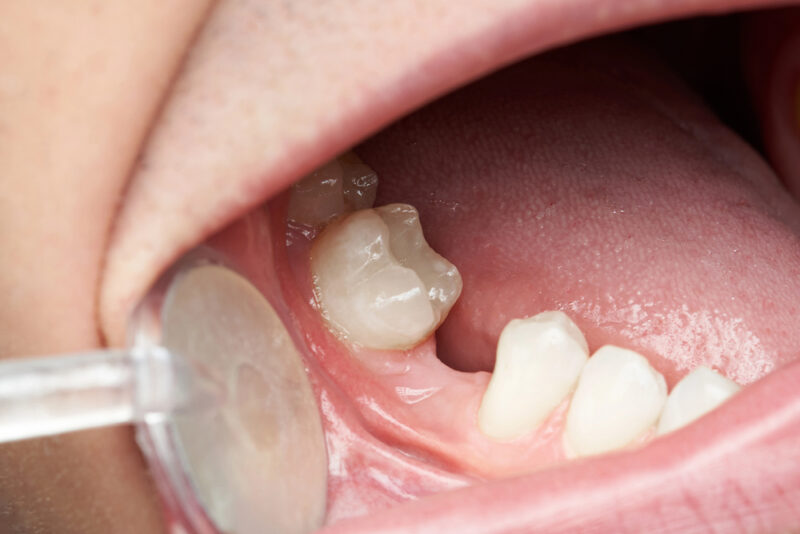
Many people think the biggest problem with losing a tooth is the gap in their smile. While appearance is certainly important, the hidden changes happening beneath the surface can have an even greater impact on your long-term oral health.
One missing tooth can begin a process that gradually weakens the jawbone, affects neighboring teeth, changes facial appearance, and may make future tooth replacement more complicated.
The good news is that understanding why bone loss happens allows you to make informed decisions before permanent damage occurs.
Why Does Bone Loss Happen After Losing a Tooth?
Your jawbone stays healthy because it receives regular stimulation every time you bite and chew.
Each tooth is connected to the jawbone through its root. When you chew, gentle pressure travels through the tooth root into the bone, signaling your body that the bone is still needed.
Once a tooth is removed or lost, that stimulation disappears.
Without regular stimulation, your body begins breaking down and reabsorbing the unused bone in that area. This natural process is called bone resorption.
Think of it like a muscle that isn’t exercised. Over time, it begins to shrink because your body no longer sees a need to maintain it.
| Time After Tooth Loss | What Happens |
|---|---|
| First Few Months | The jawbone begins losing the stimulation normally provided by the tooth root. Early bone shrinkage can begin. |
| 6–12 Months | Bone loss becomes more noticeable, making future tooth replacement more challenging if left untreated. |
| 1–5 Years | The surrounding bone continues to shrink. Nearby teeth may gradually shift, affecting your bite. |
| Long Term | Significant bone loss can change facial support, chewing function, and may require more complex treatment to replace the missing tooth. |
Note: The rate of bone loss varies from person to person based on overall health, oral hygiene, and individual healing. Angel Dental Care in El Monte can evaluate your specific situation during an examination.
How Quickly Does Bone Loss Begin?
Many people are surprised to learn that bone loss doesn’t take years to start.
Research has shown that measurable bone changes can begin within the first few months after losing a tooth, with the greatest amount of bone loss often occurring during the first year if the tooth is not replaced.
Everyone heals differently, but delaying treatment generally allows more bone to disappear over time.
The longer a tooth remains missing, the more challenging replacement can become.
Don’t Wait for Bone Loss to Progress
Schedule an Appointment Today
If you’ve lost a tooth, the best time to evaluate your options is sooner rather than later. Schedule a consultation to learn how we can help protect your smile and your long-term oral health.
626-444-2002

What Problems Can Bone Loss Cause?
Jawbone deterioration affects much more than the missing tooth itself. It may lead to:
Many patients don’t notice these gradual changes until they become significant.
Call us for an appointment today (626) 444-2002
Why Dental Implants Help Protect the Jawbone
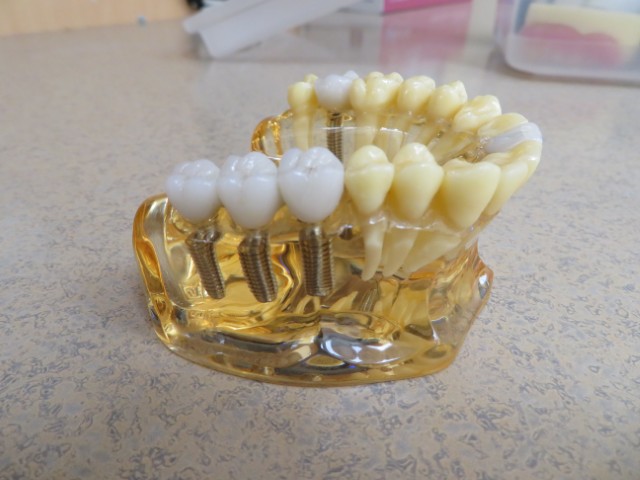
Unlike dentures or bridges, dental implants replace both the visible tooth and its root.
The implant is placed into the jawbone where it functions similarly to a natural tooth root.
As you chew, the implant transfers normal biting forces into the bone, helping stimulate the jaw and reduce ongoing bone loss.
Can Bone Loss Be Reversed?
While no treatment can perfectly duplicate a natural tooth, implants are currently the closest replacement available for maintaining jawbone health.
In mild cases, replacing the missing tooth early may help preserve existing bone.
If significant bone loss has already occurred, some patients may benefit from procedures such as bone grafting before receiving dental implants. The sooner missing teeth are evaluated, the more treatment options are usually available.
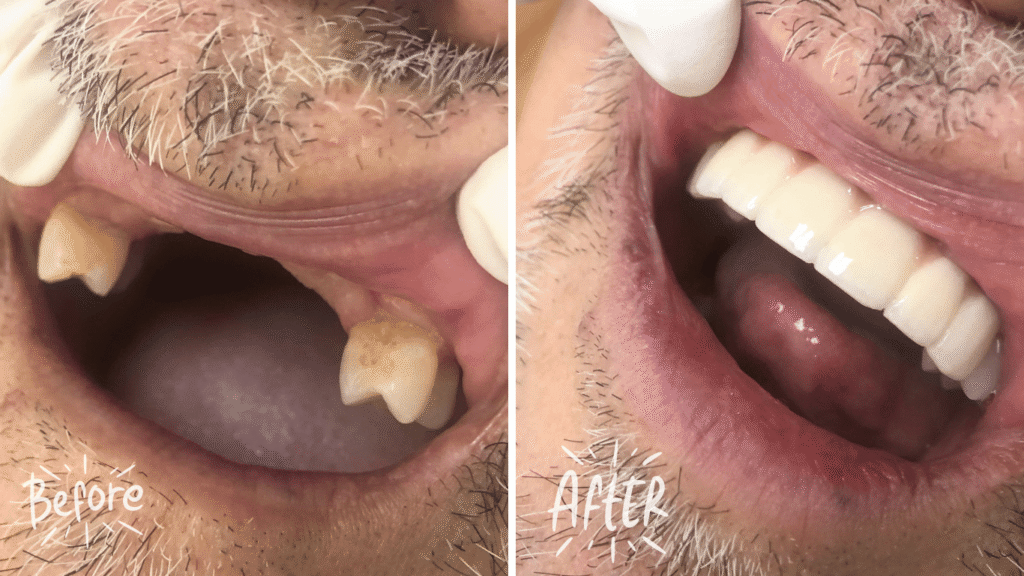
Missing a Tooth? Let’s Evaluate Your Options
Every patient’s situation is unique. During your consultation, we’ll evaluate your oral health, discuss your treatment options, and answer your questions so you can make an informed decision. Use the form to request an appointment. Include your phone number so we can call you back to confirm the day and time for your appointment.